


Disclaimer: This guest post was written by a third party and is for informational purposes only. It does not constitute legal advice or create an attorney-client relationship with The Meehan Law Firm. For legal advice, please contact our office.
The content on this website is for general informational purposes only and does not constitute legal advice or create an attorney-client relationship. Past results do not guarantee or predict a similar outcome in any future case — every case is unique and results will vary. Images on this site depict models, not actual attorneys or clients of The Meehan Law Firm.

Being stopped on suspicion of driving under the influence can be an intimidating experience. Many drivers feel uncomfortable declining a field sobriety test because they believe refusing will upset the officer. However, field sobriety tests are entirely voluntary, and there are specific, practical ways to handle the request.
Are Field Sobriety Tests Voluntary?
Officers often present field sobriety tests as an opportunity to demonstrate that you are not impaired. In reality, the true purpose of these tests is to gather additional evidence during a DUI investigation. The testing involves physical coordination and cognitive exercises that many people find difficult to perform perfectly, even when completely sober. Any missteps or imbalances observed by the officer will be documented and later used as evidence in a DUI case.
How Should You Respond?
There is no need to argue with the officer or become confrontational. Instead, a driver can simply remain calm and politely decline by using clear statements such as:
- "No, thank you."
- "I respectfully decline to participate."
- "My attorney advised me not to take those tests."
Politely declining field sobriety tests is a legal right and, when delivered respectfully, should not inherently escalate the interaction or upset the officer.
Questions About Drinking
During a DUI investigation, officers routinely ask specific questions to lock in your timeline, including:
- When did you start drinking?
- When was your last drink?
- How much did you drink?
These questions are strategically designed to establish a definitive drinking pattern. Prosecutors use this timeline to argue whether a person's blood alcohol concentration (BAC) was rising or falling at the exact time of driving. To protect your defense options, it is best to politely decline to answer these specific questions.
Understand the Difference Between Field Sobriety Tests and Chemical Tests
It is crucial to distinguish voluntary roadside field sobriety tests from the evidentiary chemical test required after a lawful DUI arrest.
Once a person has been formally and lawfully arrested for a DUI, California’s implied consent law requires them to submit to an evidentiary blood or breath test. Refusing this post-arrest chemical test carries severe consequences: the California Department of Motor Vehicles (DMV) can automatically suspend your driving privilege for one year or longer, and the refusal can be used as consciousness of guilt in court. Taking the required chemical test after a lawful arrest is necessary to avoid these additional penalties.
Every DUI Case Is Different
Every DUI investigation depends on its own unique facts, the evidence collected, and the applicable law. Understanding the distinction between voluntary roadside testing and mandatory post-arrest chemical testing is an essential step in navigating the California DUI process.
.svg)
(844) 4-DUI STOP
Categories
No items found.
Need Help?
Free Consultation, discreet, and no obligation- talk to an attorney.
More Blogs

What Happens to Your Vehicle After a DUI Arrest in California?
Learn what can happen to your vehicle after a California DUI arrest, including impoundment, inventory searches, towing fees, and vehicle liability.
Read More..August 8, 2026
3.5 minutes

Can Police Search Your Vehicle During a California DUI Stop?
Learn when police can search your vehicle during a California DUI stop, why consent matters, and how vehicle searches may affect evidence in your case.
Read More..August 4, 2026
3.5 minutes
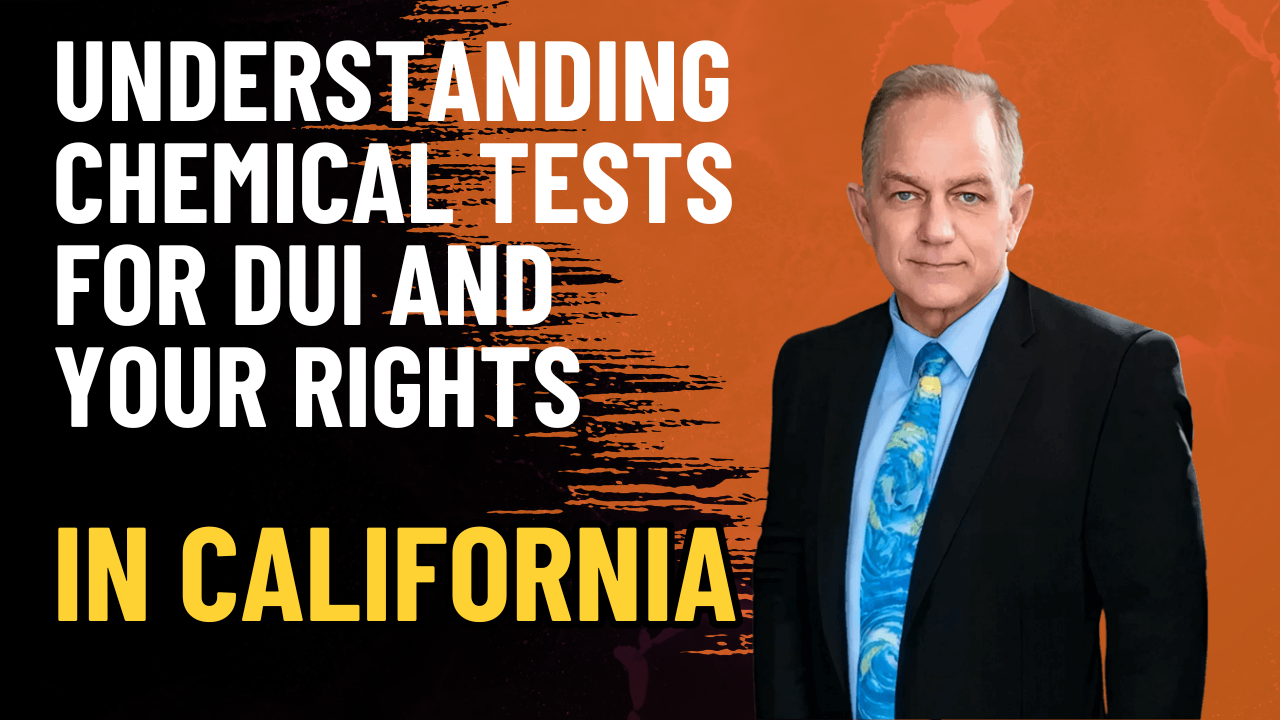
What Happens After a DUI Arrest in California? Understanding Chemical Tests and Your Rights
Learn what happens after a California DUI arrest, including blood and breath tests, DMV consequences, warrants, consent, refusals, and constitutional rights.
Read More..August 14, 2026
3.5 minutes

